Free Web Hosting Provider - Web Hosting - E-commerce - High Speed Internet - Free Web Page
Search the Web


WELCOME TO SYMI HTMLPLANET

SYMI


  •  
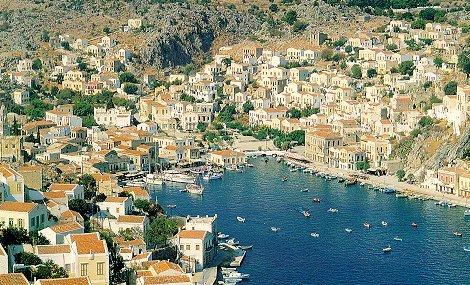
    • Symi is a member of the Dodecanese group of islands and lies 24 nautical miles to the north east of Rhodes and 255 miles from Piraeus. Its area is 67 square kilometres (26 square miles), with many bays and headlands. Since the island is mountainous and arid, the majority of its inhabitants used to be employed in the sponge industry, shipping, fishing, shepherding and very small scale farming. Nowadays the majority are engaged in tourism, commerce and crafts, such as carpentry and boat - building. Its climate is dry, temperate and healthy, creating suitable conditions for ideal holidays.

      The history of the island begins in ancient and mythological times. Its ancient names were Aigli, Metapontis and Cariki. It is postulated that its first inhabitants were the Carians and the Leleges. Symi is mentioned in The Iliad: King Nireus took part in the Trojan war with three ships. Herodotus refers to her as being a member of the Dorian Hexapolis (6 cities). From 480 B.C. Symi belonged to the Athenian League. In the Roman and Byzantine epochs her fortune was closely linked to that of Rhodes.

      From 1309 the island entered upon a prosperous period with the development of shipping, commerce, the sponge trade, boat-building and other crafts. This period also saw the beginning of an increase in urban growth, the beauty of which remains intact to this day. The houses began to spread out from the castle area, and at the same time people started to abandon many of their traditional settlements. The majority of the churches were also built during this time. Turkish attacks were repulsed in 1457 and 1485. In 1522, realizing that further resistance was in vain, and attempting to preserve as much as they could, the people offered gifts to the sultan and in return were granted many special privileges. Thus they achieved freedom of religious expression and the use of their own language, with the resulting advances in education and crafts. In addition to these privileges, they won sponge fishing rights throughout all the seas of the Ottoman Empire. They supported the national war of independence and contributed funds to the Greek fleet over a number of years; not to mention financial assistance to Laskarina Bouboulina, Admiral Miaoulis, Themelis and others.

      In 1832 Symi unwillingly returned to Turkish control, and people reacted most strongly to this. In 1869 there was an attempt to abrogate the special privileges, while in 1875 and 1885 there were population censuses. In 1908 Symi won her second battle to preserve her privileges, resulting in a victory for the other islands as well. In 1912 Turkish dominion gave way to Italian control, which lasted until September 17th, 1943. From that date the island changed hands several times between the British and the Germans, the British taking Symi for the third time on September 25th 1944, on which day the castle and the surrounding quarter of town were blown up. On May 8th,1945 the German surrender of the Dodecanese was signed on Symi. On April lst,1947 a British Military Administration handed over to a Greek one, and on March 7th, 1948 the Dodecanese were incorporated into the Greek state.

    Major Church Festivals

    • Easter (variable date and not always the same as our Easter) at Panormitis and the main churches of town.
    • June 24th Aghios Ioannis Stafilla (St. John of the Grapes) near Pedi.
    • Pentecost (variable, as Easter) at Panormitis.
    • Aghias Triadas (The Holy Trinity) in Chorio (variable, as Easter).
    • July 17th Aghia Marina (St. Marina) on the islet.
    • July 30th Prophitis Elias (The Prophet Elijah).
    • August 6th Sotiris at Nimborio and Megalos (Big) Sotiris.
    • August l5th Panaghia Alithini (The Virgin Mary of Truth) on the Pedi road and Panaghia Myrtariotissa (The Virgin Mary of the Myrtles).
    • August 24th Panaghia Alithini and Panaghia Ypakoi.
    • November 8th Archangels Michael Panormitis and Roukoniotis.

    Sites of Special Interest

    • . Symi town castle (Castro) in Chorio (the upper town).
    • . Temple of Poseidon at Panormitis, now the Monastery of the Archangel Michael.
    • . The Monastery of the Archangel Michael Roukoniotis.
    • . The Church of the Prophet Elijah.
    • . The island of Nimos.
    • . Mouse Castle, near the windmills in Chorio.
    • . The island of Seskli (ancient Tevtlousai).
    • . Catacombs (The TwelveCaves) and Roman mosaic at Nimborio.
    • . Archaeological and folk museum in the upper part of Chorio.
    • . Nautical museum in Gialos (the harbour area).
    • . The old pharmacy in Chorio.
    • . Pedi Bay.
    • Stone-built Byzantine style wine presses ( l0th to l7th centuries) and Pelasgic ruins and sacrificial stones (c. 1500 B.C..) at various sites.

    Services and Facilities

    • AREA CODE : +30 22460
    • Municipality of Symi: 71302
    • Doctor's Surgery in Gialos: 71290
    • Doctor's Surgery in Chorio: 71316
    • Chemist (Pharmacy): 71888
    • Dentist: 71272
    • Police: 71111
    • Port Police: 71205
    • Customs: 71249
    • Post Office: 71315
    • Every morning except Saturday, Sunday and public holidays.
    • Telephone Office (O.T.E.): 71212 As Post Office
    • Electricity Board (D.E.H.): 71338
    • Fuel: 72367 Every morning except Sunday from 07.30-14.30
    • Yachting Services:
      A town hall employee is available to assist with mooring, the supply of water and other services . Yachts in transit may obtain fuel tax-free from the fueling station at the far southern end of the harbour.>
    • Electrical repair services for yachts: 72012,72013. If you have a yacht problem and need assistance please call or fax: 71857
    • Ice Factory: every day from 08.00-11.00 and from 18.00-19.00. Sunday only in the morning
    • Nautical Museum: Every day except Monday from 10.00-14.00
    • Archaeological and Folk Museum: Every day from 10.30-15.30 except Monday
    • National Bank of Greece-Master Card: As Post Office
    • Alpha Bank - VISA: As Post Office Exchange Offices: Every day
    • Gymnasium: Daily gymnastic, aerobic and keep-fit classes at the Actaeon.
    • Olympic Airways 71307
    • Taxis: Symi - Chorio , Symi - Pedi
    • Bus: Gialos-Chorio-Pedi, every hour
    • Guided Walks

      Some people provide guided walks across the island, often including extensive stretches of woodland and panoramic views, not to mention many historic chapels and other sites. For the reasonably fit it is the best way of seeing and learning about the interior. Walks usually go to one of the many bays, with the return by boat; some also link on with a truck. Decent footwear and a supply of water are essential: camera, binoculars and other items as you please. Information and prices from tourist agencies and some boats.

    • Reasearcher / Editor : Vasilis Haskas.
      Last update: 25 April 1996.
      HTML developer
      Thomas J. Pagonis.
      Copyright: "
      Poseidon, Hellas and the Sea"

    SYMI'S RADIO STATION:STAR RADIO

    Η ΝΗΣΟΣ ΣΥΜΗ

    ΙΣΤΟΡΙΑ-ΟΝΟΜΑΣΙΑ

    Πολλές και διάφορες ονομασίες μνημονεύονται για την νήσον Σύμη. Η επικρατέστερη ονομασία όμως είναι το όνομα Σύμη. Για το όνομα αυτό υπάρχουν δύο εκδοχές. Στην πρώτη ο Διόδωρος ο Σικελιώτης την αποδίδει στήν νύμφη Σύμη που ήταν κόρη του Ιάλυσου και της Δώτιδας. Η Σύμη ζευγάρωσε με τον Ποσειδώνα και γέννησε τον Χθόνιο που ήταν και ο αρχηγός των πρώτων κατοίκων-εποίκων του νησιού.

    Οι κάτοικοι αυτοί κατάγονταν από την Θεσσαλία και αποτελούσαν μέρος της αποικίας του Τρίοπος που ευρίσκετο στις απέναντι ακτές της Καρίας. Ο Χθόνιος ονόμασε το νησί Σύμη προς τιμή της μητέρας του. Στην δεύτερη περίπτωση ο Ευστάθιος αποδίδει την ονομασία στον Γλαύκο που ονόμασε το νησί Σύμη προς τιμή της γυναίκας του Σύμης την οποία έκλεψε από τις απέναντι ακτές της Καρίας και την μετέφερε στην ακατοίκητη και έρημη νήσο όπου και απετέλεσαν τους πρώτους κατοίκους. Ο Γλαύκος ήταν δεινός κολυμβητής, ψαράς και περίφημος ναυπηγός. Κατα μίαν εκδοχήν φέρεται ώς ο ναυπηγός της Αργώς και έλαβε μέρος στην Αργοναυτική εκστρατείας. 'Αλλες ονομασίες που αναφέρονται από διαφόρους συγγραφείς είναι Μεταποντίς, Αίγλη, Κοφική ώς επίσης και 'Ελκουσα.(Στράβων, Στέφανος Βυζάντιος, Πτολεμαίος κ.α.)

    Η Σύμη αναφέρεται από τον 'Ομηρο στην Ιλιάδα στον Κατάλογο των Νηών (καραβιών) Β671. Συγκεκριμένα αναφέρει:

    "Νιρεύς αν Σύμηθεν, άγε τρεις νήας εΔσας
    Νιρεύς ΑγλαΔας υιός Χαρόποιό τ' άνακτος,
    Νιρεύς ος κάλλιος ανήρ υπό 'Ιλιον ήλθε
    των άλλων Δαναών μετ' αμύμονα ΠηλεΔωνα
    αλλ' αλλαπανδνός έην, παύρος δε οι είπετο λαό."

    (Β671-675).

    Ο Νιρέας ο γιός του Χαρόπου και της Αγλαίας
    ήρθε από την Σύμη με τρία καράβια
    και ήταν ο πιό όμορφος απ' όλους τους Δαναούς
    που ήρθαν στο 'Ιλιον, μετά φυσικά από το γιό του Πηλέα, (ο Αχχιλλέας)
    είχε φέρει όμως μαζί του λίγους άνδρες. (Στρατιωτική δύναμη).


    Ο Νιρέας σκοτώθηκε στον πόλεμο της Τροίας από τον Ευρυπύλο.'Ηταν δέ ο πιό όμορφος μεταξύ των Ελλήνων μετά φυσικά από τον Αχιλλέα. Μετά τον Τρωικό πόλεμο την Σύμη την κατέλαβαν οι Κάρες οι οποίοι τότε ήταν θαλασσοκράτορες. 'Επειτα οι Κάρες εγκατέλειψαν το νησί επειδή έγεινε ξηρασία και το νησί δέν παρήγαγε τίποτα. Επόμενοι κάτοικοι ήταν Αργίοι και Λακεδαιμόνιοι που ίδρυσαν αποικία με αρχηγό τον Ναύσον. Μετά ο Ξούθος έφερε άλλη αποικία από Κνιδίους και Ροδίους. Κατα τον Πελοποννησιακό Πόλεμο το νησί το κατείχαν οι Αθηναίοι και το χρησιμοποιούσαν σαν ναυτική βάση για τις επιχειρήσεις τους. Ο Θουκυδίδης διηγείται ότι τον εικοστό χρόνο του Πελοποννησιακού Πολέμου (412-411), οι Σπαρτιάτες νίκησαν στα ανοιχτά της Σύμης τον Αθηναικό στόλο που διοικούσε ο Χαρμίνος και μετά την νίκη τους ήρθαν στο νησί και έστησαν τρόπαιο.

    Η Σύμη δεν υπήρξε ποτέ αυτόνομη-ελεύθερη πολις διότι δεν έχουν βρεθεί συμιακά νομίσματα. Υπαγόταν σε ροδιακούς δήμους και στα ρωμαικά και βυζαντινά χρόνια ακολουθούσε την τύχη της Ρόδου. Ετσι μετά την άλωση της Κωνσταντινούπολης από τους Σταυροφόρους (1204) το νησί το πήρε ο Λέων Γαβαλάς (βυζαντινός άρχοντας). 'Επειτα το νησί πέρασε στην Ελληνική Αυτοκρατορία της Νίκαιας και μετά την απελευθέρωση της Κωνσταντινούπολης από τους Σταυροφόρους από τον Μιχαήλ Παλαιολόγο (1261) πέρασε και πάλι στη Βυζαντινή Αυτοκρατορία.

    Το 1309 μ.Χ το νησί το κατέλαβαν οι 'Ιππότες της Ρόδου οι οποίοι λαμβάνοντας υπόψιν την προνομιακή θέση του για το εμπόριο καθώς και την πείραν το κατοίκων στην ναυπηγική και την ναυσιπλοiα παρεχώρησαν αρκετά προνόμοια στους κατοίκους οι οποίοι και τα εκμεταλλεύτηκαν με επιτυχία και ξεκίνησαν να ασχολούνται συστηματικά με την ναυπηγική και τα εμπορικά ταξείδια αρχίζοντας έτσι για το νησί μια μακριά περίοδος ευημερίας και ανάπτυξις.

    Το 1523 μ.Χ ο Σουλευμάν ο Β'. Το νησί παραχωρείται απο τους Τούρκους στους Ιταλούς μαζί με τα άλλα Δωδεκάνησσα. Συνθήκη ειρήνης της Λωζάννης της 24-7-1923 μεταξύ Γαλλίας - Iταλίας - Iαπωνίας - Eλλάδος -Pουμανίας - Σερβοκροατοσλοβενικού κράτους αφενός και Tουρκίας αφετέρου. H Tουρκία παραιτείται επίσης υπέρ της Iταλίας παντός δικαιώματος και τίτλου της επί των νήσων που αναφέρονται στο άρθρο 15 της παρούσης συνθήκης (Aστυπάλαια, Pόδος, Xάλκη, Kάρπαθος, Kάσος, Tήλος, Nίσυρος, Kάλυμνος, Λέρος, Πάτμος, Λειψός, Σύμη και Kω που κατέχονται υπό της Iταλίας και των υπ' αυτών εξαρτημένων νησίδων ως και της νήσου του Kαστελλορίζου (βλ. Xάρτη Nο 2 της Συνθήκης). Από τότε ακολουθεί την ίδια πορεία με τα άλλα νησιά του αρχιπελάγους μέχρι και την ενσωμάτωσή τους με την Ελλάδα το 1947. Συνθήκη Eιρήνης μεταξύ Iταλίας και των νικητριών δυνάμεων του B*Παγκοσμίου Πολέμου της 10-2-1947.

    Σύμφωνα με το άρθρο 14 της συνθήκης αυτής η Iταλία παραχωρεί στην Eλλάδα την πλήρη κυριαρχία επί των νήσων της Δωδεκανήσου Aστυπάλαιας, Pόδου, Xάλκης, Kαρπάθου, Kάσου, Tήλου, Nίσυρου, Kαλύμνου, Λέρου, Πάτμου, Λειψούς, Σύμης, Kω και Kαστελλορίζου ως και των παρακειμένων σε αυτών νησίδων. Η Σύμη κατα την διάρκεια της κατοχής (το μοναστήρι του Πανορμίτη) μετετράπη από τις Συμμαχικές δυνάμεις σε κέντρο κατασκοπείας και πληροφοριών. Μετά την ανακάλυψη του ασυρμάτου που ήταν κρυμμένος στο Ηγουμενικό της μονής συλλαμβάνονται και εκτελούνται από τους Ιταλούς ο Ηγούμενος Χρύσανθος (Μαρουλλάκης) και οι συνεργάτες του Φλώρος Ζουγανέλλης και Μιχάλης Λάμπρου. Το νησί βομβαρδίστηκε ανηλεώς από τους Γερμανούς σε μιά προσπάθεια τους να διώξουν τον Ιερό Λόχο και τους 'Αγγλους που είχαν καταλάβει το νησί κατόπιν της παραδόσεως των Ιταλών μετά την πτώση της Φασιστικής Ιταλίας.

    Επηκολούθησε εισβολή των Γερμανών και τρομερές μάχες και οδομαχίες σώμα με σώμα. Στο τέλος οι Ιερολοχίτες και οι Αγγλοι απεσύρθησαν στα απέναντι παράλια της Μ.Ασίας. Με την λήξη του πολέμου και την παράδοση της Γερμανίας η γερμανική φρουρά του νησιού κατα την αποχώρησή της παγιδεύει με εκρηκτικά την Παναγιά του Κάστρου και την ανατινάσσει εκ θεμελίων. Το προτόκολλο της παράδοσης της Δωδεκανήσου από τους Γερμανούς υπογράφεται στην Σύμη στις 8 Μαίου 1945 και στις 7 Μαρτίου 1948 έγινε η ενσωμάτωσή της στο Ελληνικό κράτος.

    Reasearcher / Editor : Vasilis Haskas.
    Last update: 25 April 1996.
    HTML developer
    Thomas J. Pagonis.
    Copyright: "
    Poseidon, Hellas and the Sea"

    KONSTANTINOS PAPATHEODOSIOU

SYMI'S RADIO STATION: STAR RADIO

Last updated on 28/05/2007

Copyright ® 1992 - 2007

Star radio Symi Dodecanese Greece